How a Fall Detection Device Can Support Senior Safety at Home
When my mother first mentioned that she was worried about falling in the shower, I brushed it off. She had always been steady on her feet, and the bathroom had grab bars. But a few weeks later, a neighbour found her on the kitchen floor after a dizzy spell. She was sore, shaken, and too embarrassed to press the pendant alarm she had been given years ago. That moment taught me something that no brochure could: the best fall detection device is the one that works when you cannot push a button.
For many older adults in New Zealand, the idea of staying in their own home is tied to independence and dignity. Ageing in place is not just a preference; it is often the most practical and emotionally supportive option. But that independence comes with a real risk. A slip in the garden, a misstep on the stairs, or a sudden drop in blood pressure can lead to a fall that leaves someone unable to get help. That is where modern medical alert systems step in, and specifically where fall detection technology has changed the game.
Why Automatic Detection Matters
Traditional personal emergency response systems rely on the user pressing a button. That works well if you are conscious and able to move your arm. But many falls happen fast. A hip fracture, a head injury, or a moment of confusion can make it impossible to reach a pendant or press a wall-mounted button. In those situations, a fall detection device can be the difference between a quick response and lying on the floor for hours.
Automatic fall detection uses sensors built into a wearable device, often a pendant alarm or a wristband, to recognise the motion and impact of a fall. When the device detects a fall, it sends an alert to a monitoring centre or directly to family members. Some systems also include GPS tracking, so even if the fall happens outside the home, help can find the right location. This kind of senior safety technology has been around for a while, but recent improvements have made it more reliable and less prone to false alarms.
What to Look for in a Fall Detection Device
Not all fall detection devices are built the same. Some are too sensitive and trigger alerts when you bend down to tie a shoe. Others are not sensitive enough and miss a slow, controlled collapse. The best models use a combination of accelerometers, gyroscopes, and sometimes machine learning to tell the difference between a fall and everyday movement. A good device should also be waterproof so it can be worn in the shower, where many falls happen.

Battery life is another practical concern. A device that needs charging every day becomes a chore. Look for units that last weeks or months on a single charge. And because the device is meant to be worn constantly, comfort matters. A pendant on a lightweight cord or a slim wristband is more likely to stay on than a bulky box.
Family Monitoring and Two-Way Calling
One of the most reassuring developments in medical alert systems is the ability for family members to stay in the loop. Instead of relying solely on a call centre, some systems let designated caregivers receive alerts directly on their phones. If a fall is detected, the caregiver gets a notification with the person's location and can listen in through two-way calling. This feature can reduce anxiety for everyone involved. You know that your parent is not alone, and they know that someone they trust is aware of the situation.
Family monitoring also helps with the problem of false alarms. If the system sends an alert and the caregiver can quickly check in, they can decide whether a full emergency response is needed. That saves unnecessary ambulance callouts and keeps the focus on genuine emergencies.
The New Zealand Context
New Zealand has a growing population of older adults, many of whom live in rural or semi-rural areas. In those places, emergency services can take longer to arrive. A fall detection device that includes GPS tracking can be especially useful if someone lives on a large property or enjoys walking in local reserves. The combination of automatic fall detection and location sharing means that help can be dispatched to the exact spot, even if the person is disoriented or unable to speak.
Cost is another factor. Many standard personal emergency response systems come with ongoing monthly fees. That can add up over years of use. Some providers, like Familyr, offer a different model with no monthly fees. You buy the device and it works without a subscription. That approach makes long-term senior safety more affordable for families on a fixed income.
When a Button Is Not Enough
Let me tell you about a friend of mine, a retired farmer in Southland. He was stubborn about his independence and refused to wear a pendant alarm because he thought it made him look weak. After a bad fall in his shed, he lay there for nearly four hours before a neighbour came looking for him. He ended up with a broken hip and a long recovery. That experience changed his mind. Now he wears a waterproof alarm with automatic fall detection and admits that it gives him more freedom, not less.

That story is not unusual. Many older adults resist the idea of a fall detection device because they associate it with losing control. But once they try it, they often find that it lets them do the things they enjoy without constant worry. Gardening, walking the dog, taking a shower without fear - these are the real benefits of a good device.
How Caregivers Benefit Too
Caring for an older relative is rewarding but also stressful. The constant worry about falls can wear anyone down. A reliable fall detection device provides peace of mind that does not require you to be physically present. You can go to work, run errands, or even take a holiday knowing that if something happens, you will be notified quickly. That is good for the caregiver and good for the person receiving care, because it reduces the pressure on the relationship.
Some systems also offer 24/7 monitoring as a backup. If the caregiver does not respond, the monitoring centre can step in and contact emergency services. This layered approach means there is always someone looking out for the senior, even if the primary caregiver is unavailable.
Practical Tips for Choosing a Device
Before buying a fall detection device, think about the person who will wear it. Do they spend a lot of time outdoors? Then look for GPS tracking and a long-range connection. Do they have trouble with small buttons? Then a device with automatic fall detection and simple two-way calling might be better. Is the device comfortable enough to wear to bed? Many falls happen at night when people get up to use the bathroom.
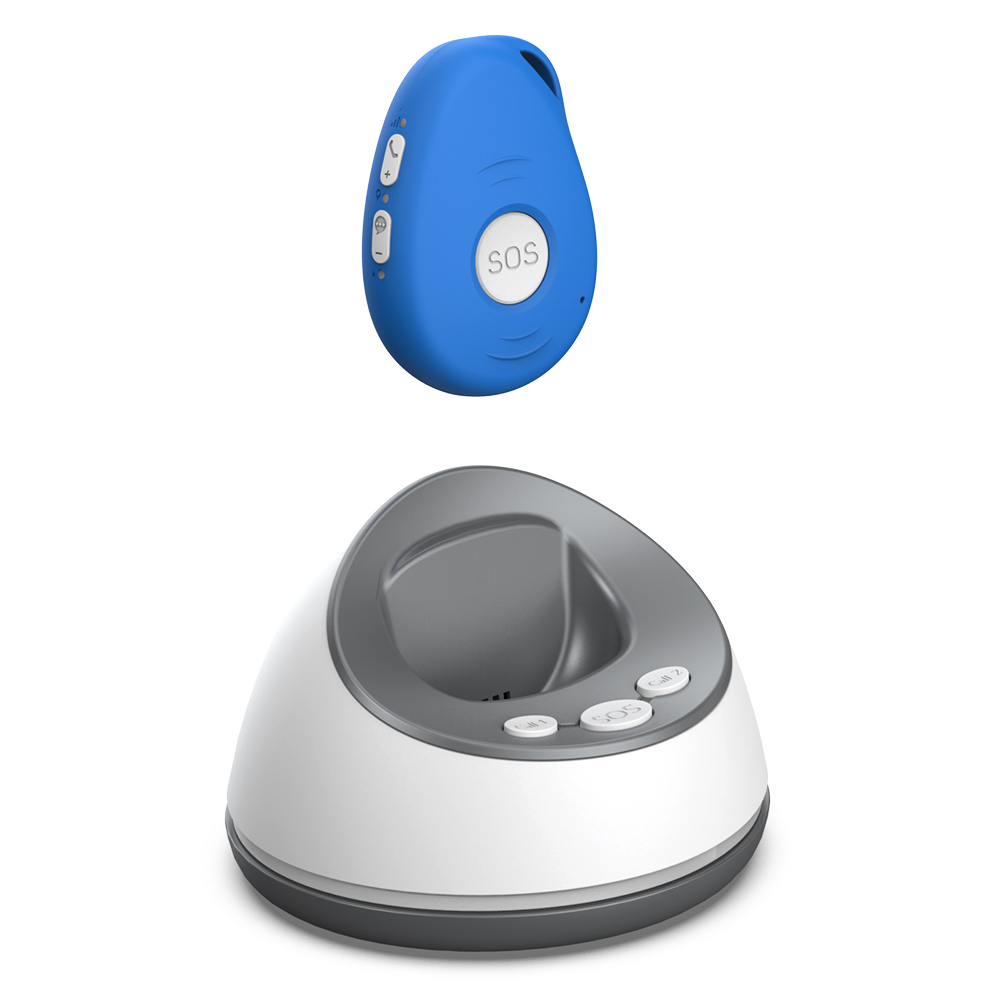
It is also worth checking the battery life and charging method. Some devices use a charging cradle that the pendant sits in overnight. Others have replaceable batteries. For someone with arthritis, a magnetic charging cable is easier to handle than a small plug.
Finally, consider the brand's reputation and customer support. A good company will help with setup and answer questions about how the device works. Look for providers based in New Zealand who understand the local emergency services and geography.
Looking Ahead
Fall detection technology is getting better every year. Sensors are smaller, algorithms are smarter, and devices are more comfortable. But the core purpose has not changed: to give older adults the confidence to live independently while keeping them safe. A well-chosen fall detection device is not a surrender to old age. It is a tool that allows someone to keep doing what they love, with the knowledge that help is just a sensor away.
If you are helping a parent or relative make this decision, take the time to involve them in the choice. Let them try the pendant, test the two-way calling, and see how the family monitoring app works. When they feel in control of the technology, they are much more likely to use it. And that is what really matters.